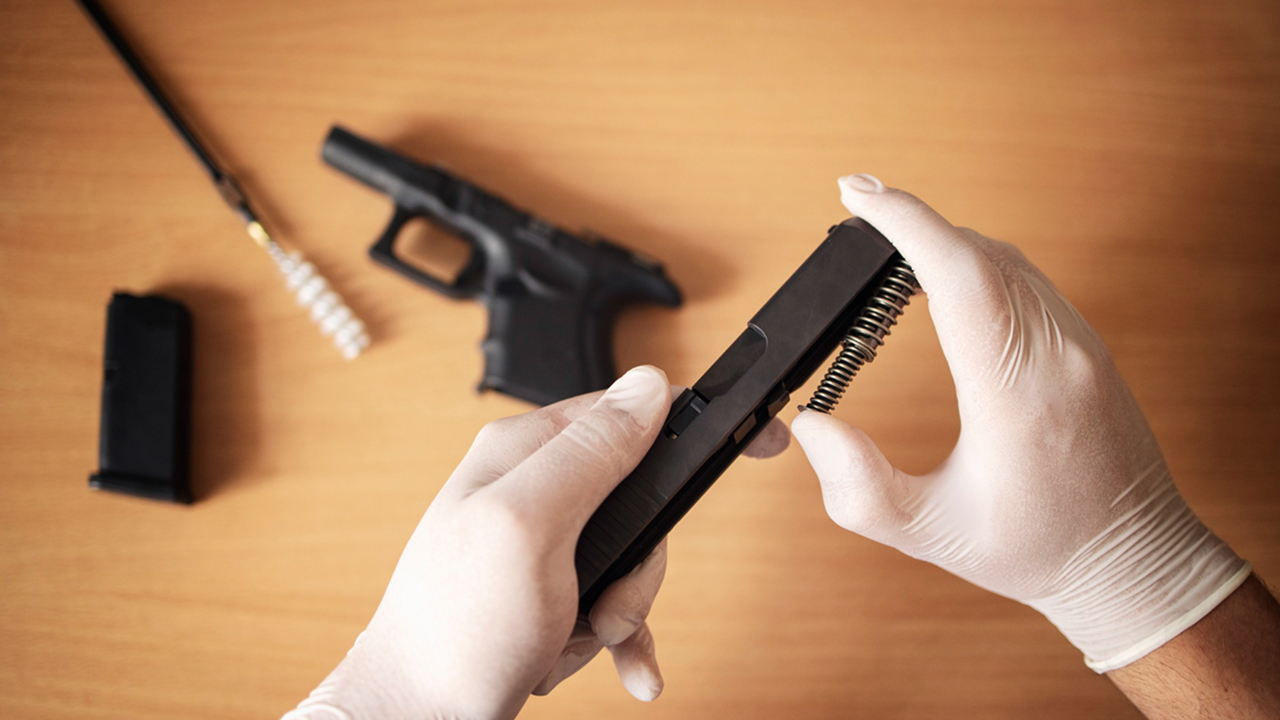
Firearm maintenance is crucial for both performance and safety. But how often do you actually need to clean a pistol or a shotgun? Experienced shooters share some important insights based on the specific type of firearm.
How Often Should You Clean Pistols?
The cleaning window can be surprisingly wide, especially with pistols known for their durability like the Glock series. Since Glock models can run problem-free for a long time, users often prefer to wait until the gun actually starts showing signs of failure before cleaning it. The general advice is to strip and clean the weapon when you start seeing issues like failure to fire, stovepiping (jamming), or other feeding problems.
Cleaning Frequency for the AR-15
The area known as the “star chamber” in an AR-15 is definitely a spot that gets dirty over time and can cause issues. However, since the most critical part of the carbine is the Bolt Carrier Group, the emphasis is really on keeping that specific area clean and wet.
Bolt Actions, Shotguns, and Other Firearms
The need for cleaning really changes depending on the gun type and the caliber you’re shooting:
- .22 caliber bolt action models run very dirty, so they need to be cleaned more frequently.
- For a rifle used specifically for deer hunting, a detailed clean after about 100 rounds is usually seen as sufficient.
- After zeroing your scope before hunting season, running a dry bore snake through the barrel is usually enough.
Also, here is a vital piece of info for precision shooters: Deep cleaning the barrel can cause slight shifts in accuracy. That’s why some snipers prefer to fire a few “fouling shots” after a full clean to get the barrel dirty again before a match or a hunt.
Average Cleaning Cycles for Glock and AR-15
- Glock pistols: A general cleaning after approximately 2,000 rounds.
- AR-15 carbine: A detailed cleaning after approximately 500 rounds.
Oils Recommended by Experts
Most shooters view Hoppes No.9 as the classic, reliable option. When it comes to protecting guns against rust, some users point out that WD-40 actually gave some of the best results in independent tests.
Note: WD-40 might not always be the best mechanical lubricant, but it is found to be quite successful when it comes to rust prevention.