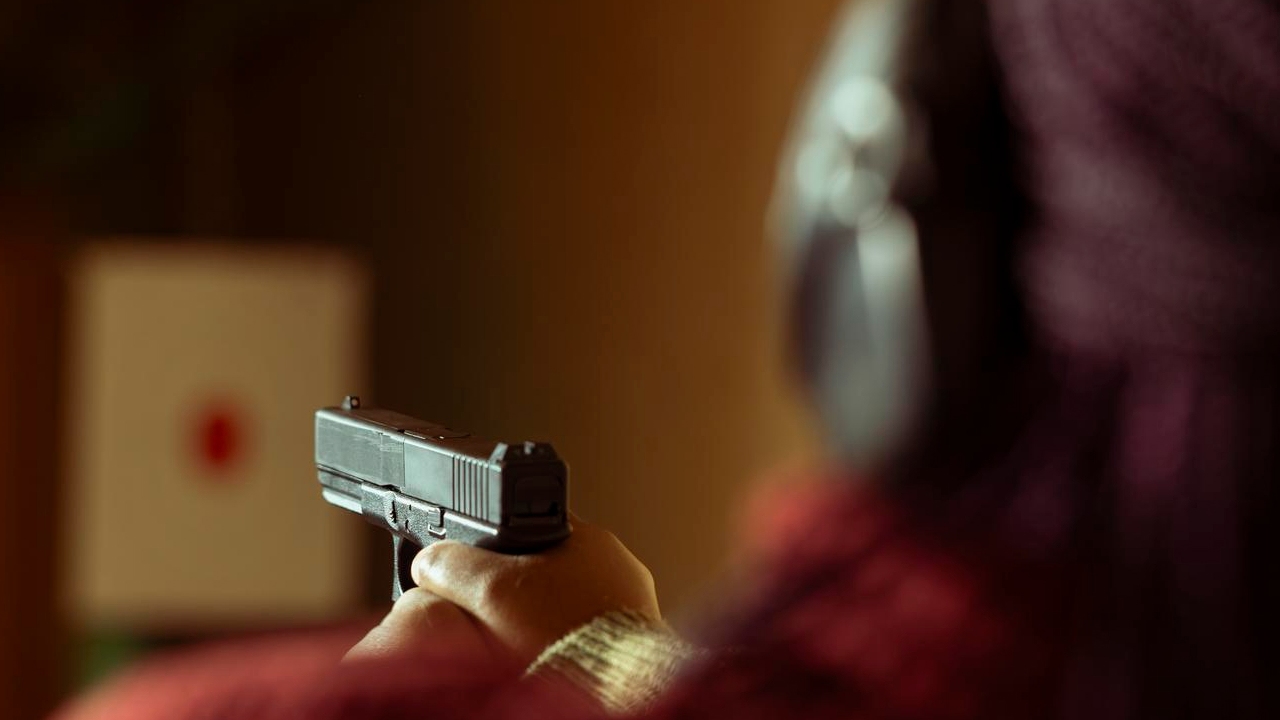
Firearm laws in Canada have taken on a structure that is constantly changing and difficult to follow, especially in recent years. Government decisions, Cabinet regulations, and updates to the FRT – Firearms Reference Table database managed by the RCMP (Royal Canadian Mounted Police) can change the classification of firearms overnight.
A firearm that is legal today can move to the prohibited class the next day. Therefore, it is of great importance for anyone who owns or considers owning a firearm in Canada to closely follow current rules.
FRT Database and Armalytics
The legal status of firearms is determined via the FRT database. This database is not open to the public, but thanks to independent platforms like Armalytics, gun owners can search for their models and see their current status.
- A firearm that is “non-restricted” today can be declared “prohibited” tomorrow.
- The state often does not notify about this in advance; official letters arrive weeks later.
Therefore, gun owners are suggested to:
- Regularly check platforms like Armalytics
- Become members of gun lobby groups (CSSA, CCFR, NFA, etc.)
- Follow news and official announcements.
Firearm Types Considered Prohibited
Recent changes specifically target semi-automatic firearms that fire bullets. Generally:
- All firearms with an AR-15 like appearance
- AK-47 like models
- Bullpup designs (those with the magazine and mechanism behind the trigger)
- Semi-automatic centerfire firearms
These often fall directly into the prohibited or restricted class.
Gun Ownership in Canada: Not a Right, but a Privilege
Owning a gun in Canada is not considered a constitutional right, but a privilege. Therefore:
- You need to obtain a PAL (Possession and Acquisition License)
- Training is mandatory
- Security screening is performed continuously
- If you do not comply with the rules, the license is revoked
License Types
- Non-Restricted PAL
- Restricted PAL
- Prohibited (New applicants cannot obtain this)
Training Process
To obtain a PAL:
- Generally a 2-day training
- Firearm types
- Safe handling
- Ammunition knowledge
- Safety checks are taught.
Firearm Classes in Canada
There are 3 main classes in Canada:
1. Non-Restricted
- Barrel length generally 18.5 inches and above
- Shotguns
- Bolt-action firearms
2. Restricted
- All handguns
- Some short-barreled rifles
- Carrying and usage are seriously restricted
- As of 2025, handgun sales and purchases have been frozen.
3. Prohibited
- Automatic firearms
- Most semi-automatic models
- AK and AR variants
- Short-barreled handguns
- New applicants cannot access this class.
Air Guns and FPS Rule
In Canada:
- Under 500 FPS → Can be sold without a license
- Over 500 FPS → License required
Therefore, products at the limit of 495 FPS are generally sold in stores.
Gun Storage Rules
Firearms: ✔️ Must be unloaded ✔️ Must be locked ✔️ Must be stored in an opaque (non-visible) box ✔️ Preferably kept in a gun safe
Gun safes:
- Are not bulletproof
- But must be locked and secured
Transportation Rules
Non-restricted:
- Unloaded
- Trigger lock attached
- Inside a closed case
Restricted:
- Double lock mandatory
- Locked box
- Ayrı kilit (Separate lock)
- Direct range route
Leaving it exposed in the back of the vehicle is not recommended. It may create a threat perception for the police.
Gun Buying and Selling
In individual sales:
- CFP is called
- Both parties’ licenses are verified
- A transfer number is issued
- This number must be kept
If there is non-compliance:
- The sale is cancelled
- The buyer is contacted by the CFP
RCMP and CFP Checks
- Daily background check
- Police can see that you have a license
- No registry for Non-restricted
- Registry exists for Restricted and Prohibited
Safe Choices Right Now
The safest choices for now:
- Bolt-action
- Break-action
Risk categories:
- Semi-automatic
- Tactical looking firearms
- Short-barreled models
Basics of Being a Responsible Gun Owner
- Constantly follow the laws
- Store firearms safely
- Perform regular maintenance
- Do not use under the influence of alcohol and drugs
- Perform backstop checks
- Use only in appropriate areas
In the past, incidents occurred where bullets went to neighbors due to wrong targeting. Such events cast suspicion on all gun owners.
Gun Ownership in Canada: Conclusion
There is no constitutional right like in the US. A gun in Canada:
- Is a privilege.
If you make a mistake:
- License is revoked
- Firearms are confiscated
- No compensation is given
- The process can take years
Therefore:
- Stay in touch with lobbies
- Consider getting insurance
- Do not use the gun in the slightest doubt